

This page was translated from Dutch with AI.
This meeting could have been an email...
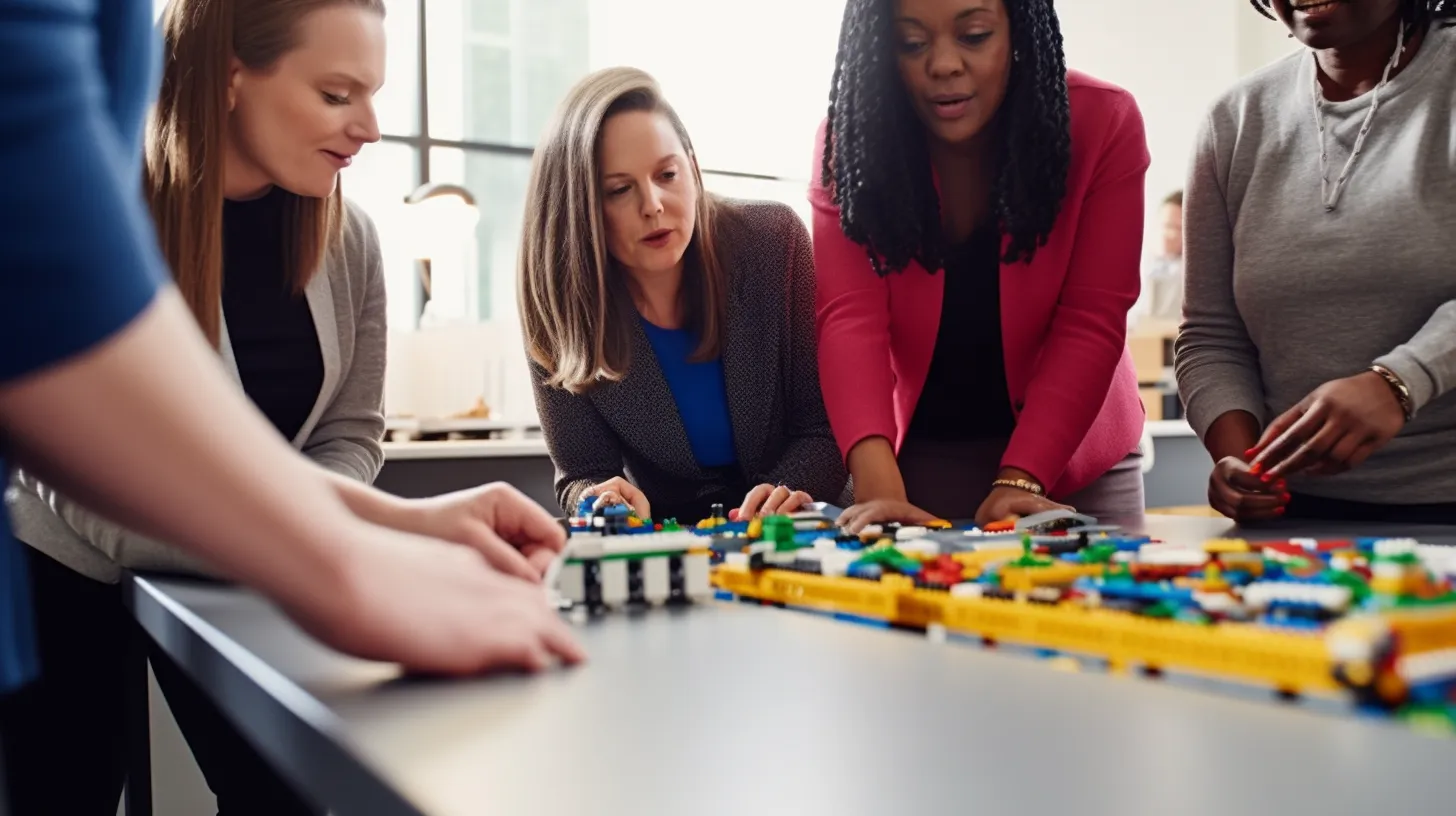
Short answer: a meeting could have been an email if it is only about sharing information. Only plan a meeting if you want to create new insights together, let all participants contribute actively and let a facilitator guide the interaction. This is how meetings turn into collaboration.
Why is Katrien in so many useless meetings?
During the break of the Future Thinking training that I facilitated yesterday, Katrien said that she saw little chance to put the learning into practice, because she was constantly in meetings. Those meetings were not only time-consuming, but bluntly a waste of time. Often she sat listening to topics that did not concern her at all. Nice to know, but not useful.
When she asked me what she could do about it, I could reassure her: "You are not the only one in the world in that situation at all."
What Katrien feels stems from a misunderstanding about what a meeting is supposed to be. Meetings are not only meant to convey information. They are opportunities to bring diverse insights and ideas together and create something bigger.
Do you also misuse meetings?
As soon as something needs to be shared with multiple people, the standard reaction is: "Let's plan a meeting." The invitations fly around and your calendar gets filled with back-to-back meetings.
Too often those meetings turn into presentations or status updates that could just as well have been an email. That wastes time and undermines the real collaboration potential.
What does a poorly used meeting cost?
If meetings are not used well, the consequences are noticeable. Participants do not feel involved, get frustrated or even become angry about the time lost in a meeting that adds little value.
In the long term, a culture emerges in which meetings are something to dread, instead of an opportunity for connection and progress. The real sin is that this time could have been spent much better on meaningful collaboration.
I often illustrate this with a metaphor. You set up a room full of supercomputers. You turn one on and put the rest in sleep mode. Or you let them all network with each other and exchange information. The choice is yours.
How do you turn meetings into collaboration?
The key lies in understanding the real purpose of meetings. In our book Facilitation is a game! we explain the techniques with which you transform meeting moments into collaboration moments.
When a meeting is facilitated well, it becomes a place where different perspectives come together. Participants enter into a conversation, challenge each other and come up with solutions together that would never have arisen separately.
This is how you apply it
Four strategies to make your meetings more than extended emails:
- Determine the goal: before you plan a meeting, ask yourself whether you only want to share information or generate new insights. If it is the former, consider whether an email is sufficient. If it is the latter, think about how you set up the meeting for maximum involvement and contribution.
- Let everyone contribute actively: use formats such as working together in small groups or open discussions, so that everyone can bring in their unique perspective.
- Connect insights: encourage participants to build on each other's ideas, challenge assumptions and come up with stronger solutions together. The goal is not just to convey information, but to create something new together.
- Use a facilitator: they make meetings productive. Instead of doing the talking yourself or stringing presentations together, a facilitator supports the interaction and decision-making, brings insights to the surface and keeps the discussion on track.
Why are meetings a strategic tool?
Used well, meetings are a powerful tool for collaboration and innovation. They are places where ideas are exchanged, connections are made and new solutions are created together.
Do you want to deepen your facilitation skills and make your meetings purposeful and engaging? Then grab Facilitation is a game! by Steff and Karl, packed with insights and practical tools. Or view the Facilitation training.
About the author
Steff Vanhaverbeke is a certified business coach, trainer and facilitator. She is co-author of "Facilitation is a game!".
Frequently asked questions
If you only want to share information, an email is usually sufficient. Plan a meeting when you want to generate new insights and need the contribution of the whole group. So ask yourself beforehand what the goal is.
Use formats such as working together in small groups or open discussions, so that everyone can bring in their perspective. A facilitator supports the interaction and decision-making and keeps the discussion on track.
In the Leading meetings and workshops effectively training you learn to make meetings purposeful and engaging. Are you looking for a programme for your team? Then contact us.