

This page was translated from Dutch with AI.
Navigating Leadership: The Fleet Formation Workshop Experience
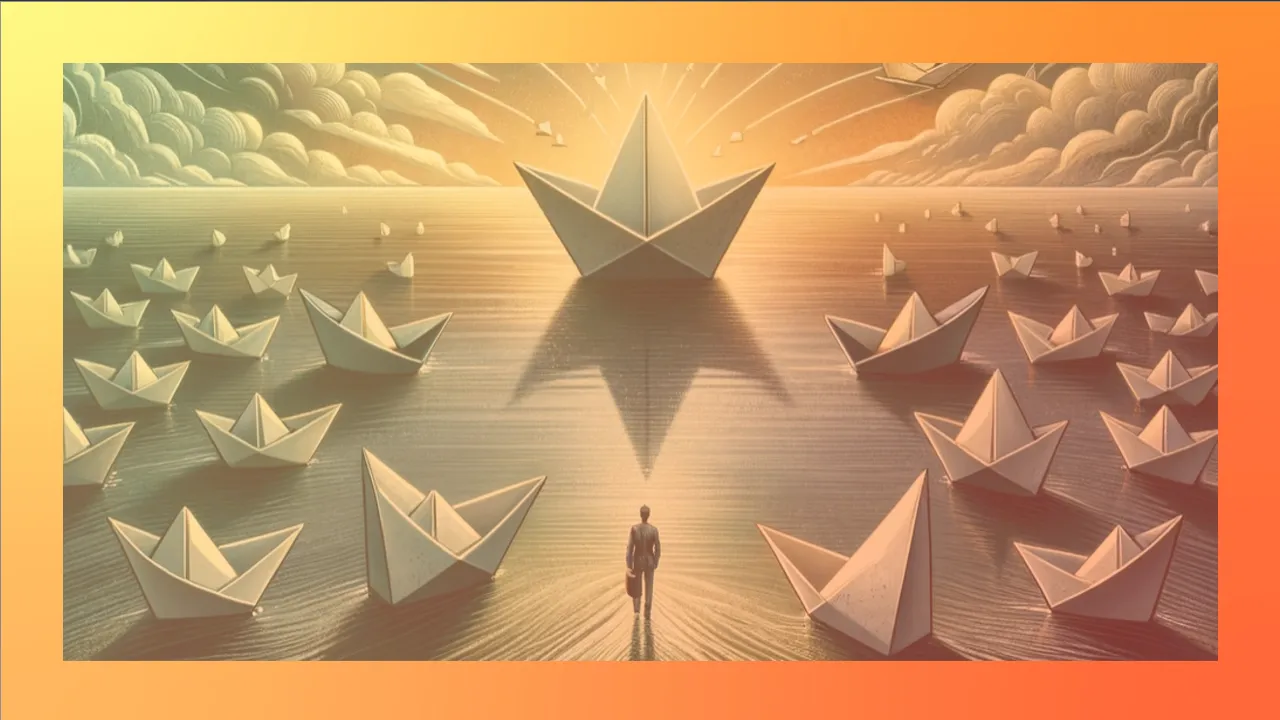
Short answer: In the Fleet Formation workshop, participants choose a boat that reflects their personality and discover their dominant "pirates", or ego states. Then they form a fleet together. This formation shows how team members think, feel and work together, and makes self-leadership and teamwork open for discussion.
A special workshop on the shores of leadership and talent management, where humour, self-reflection and strategy took the helm. The workshop uses the metaphor of boats to explore the dynamics of self-leadership and teamwork.
How do you start laughing and learning?
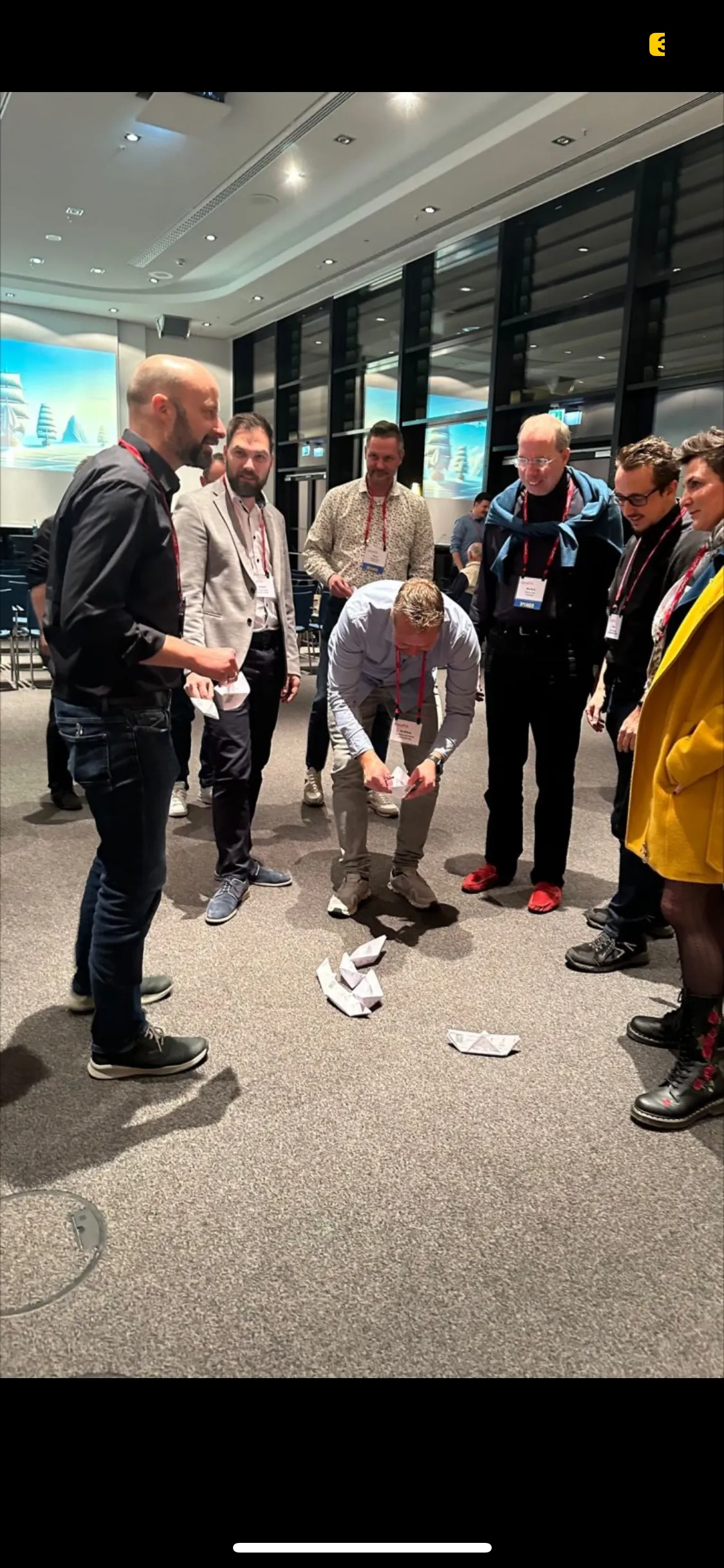
The session began with a task that made everyone laugh: folding paper boats. This simple action contrasts with the complexity of leadership principles. It set the tone for lightheartedness and opened the door to a deeper understanding.
What do you learn about yourself on the open sea?
After that, the participants dived into self-reflection. They chose a type of boat that reflected their personality on the vast sea of life and leadership.
On every ship there is the rational mind or captain, a slow but steady thinker. Alongside this, there is a crew of 150 "pirates", or ego states. They represent the multifaceted aspects of human personalities. Everyone identified three dominant pirates who usually took command.
What do others see in you?
In an interesting twist, the participants engaged in dialogues. Colleagues observed which three pirates they found most influential and noted them down.
This exercise reflected the often overlooked tension between self-perception and external observation. That is an essential element in understanding leadership influence.
What does a fleet say about a team?
The highlight was the formation of a fleet. Each participant placed their boat and the collective formation said a lot about how team members operate, think and feel.
The outcomes were telling. Some ships were left on the floor, which can indicate a lack of motivation. Others formed strategic and enthusiastic fleets, ready to conquer the waves.
Why does collaboration differ so much?
The different fleet structures were striking. Some participants fully immersed themselves in the exercise and organised their ships into impressive armadas. Others hesitated and stayed on the sidelines, their vessels acting as witnesses to reluctance or reflection.
These reactions painted a realistic picture of workplace dynamics. They showed the different attitudes and the involvement within a team.
What is the role of the 9-step process?
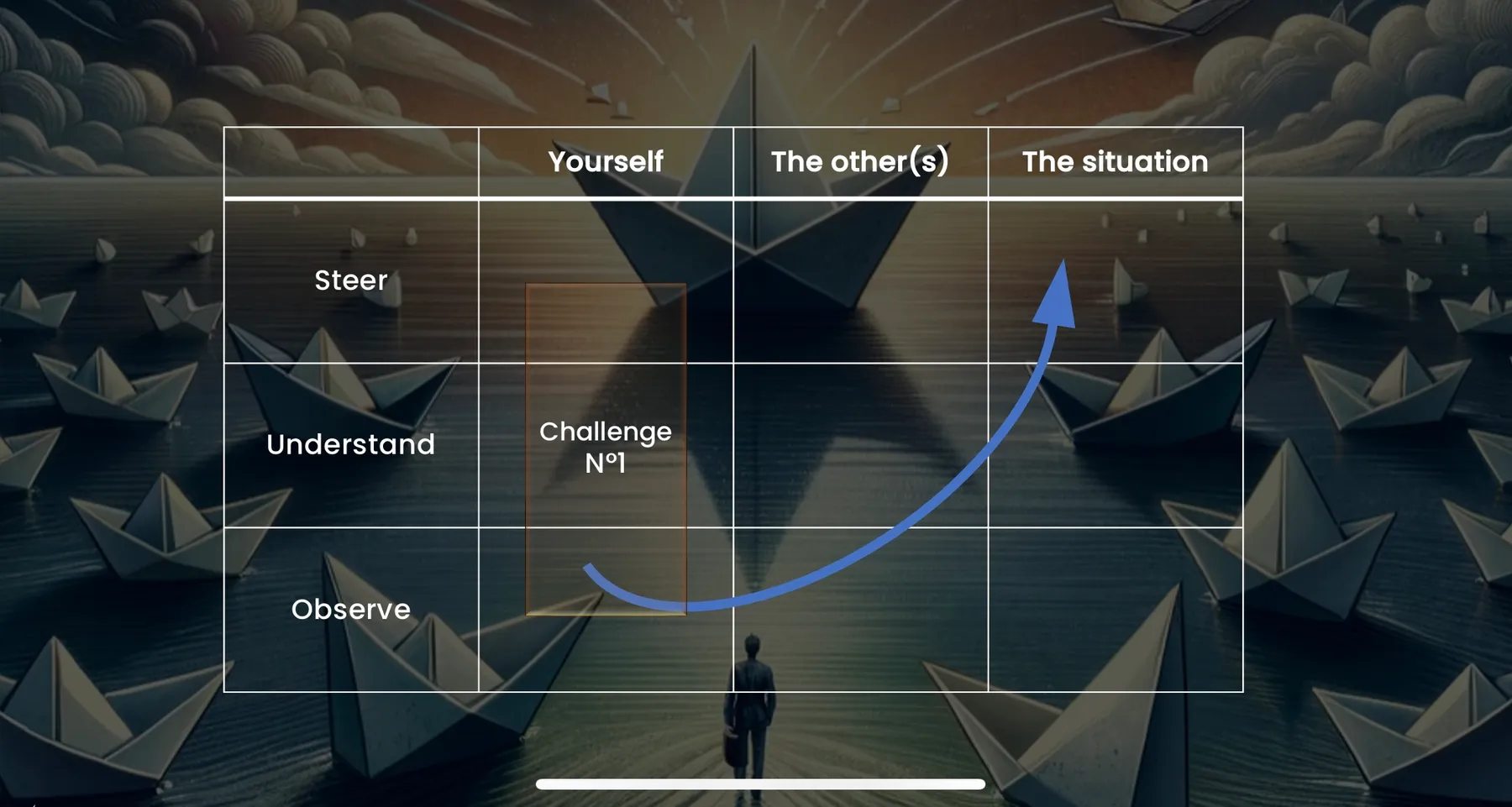
The workshop is supported by a 9-step process. This deepens self-knowledge, promotes self-understanding and strengthens self-direction. These are skills that equally help to understand others and navigate situations.
As Hans Demeyer guided the participants through this journey, it became clear that leadership is not just about steering the ship. It is also about understanding the currents within yourself and your team. The laughter, the folded boats and the conversations were all part of a larger quest to discover how you lead effectively and empathetically.
More than team building
The workshop is more than an exercise in team building: it is a journey of discovery. The photos capture moments of interaction, concentration and the physical formation of the fleets, a microcosm of how the business world works.
About the author
Hans Demeyer is a serial entrepreneur and purveyor of optimism and inspiration. He immersed himself in psychology and change management and shares methodologies and models with anyone who asks.
Frequently asked questions
The workshop explores self-leadership and teamwork using the metaphor of boats. Participants fold a paper boat, discover their dominant pirates or ego states and together form a fleet that makes team dynamics visible.
In the workshop, the 150 pirates on your ship represent the multifaceted aspects of your personality. You identify three that usually take command. Colleagues note down which three they find most influential.
Our coaches guide teams in self-direction and collaboration. View the Collaboration and self-direction training or contact us, and we will look at what suits your team.