

This page was translated from Dutch with AI.
The master butcher's apron
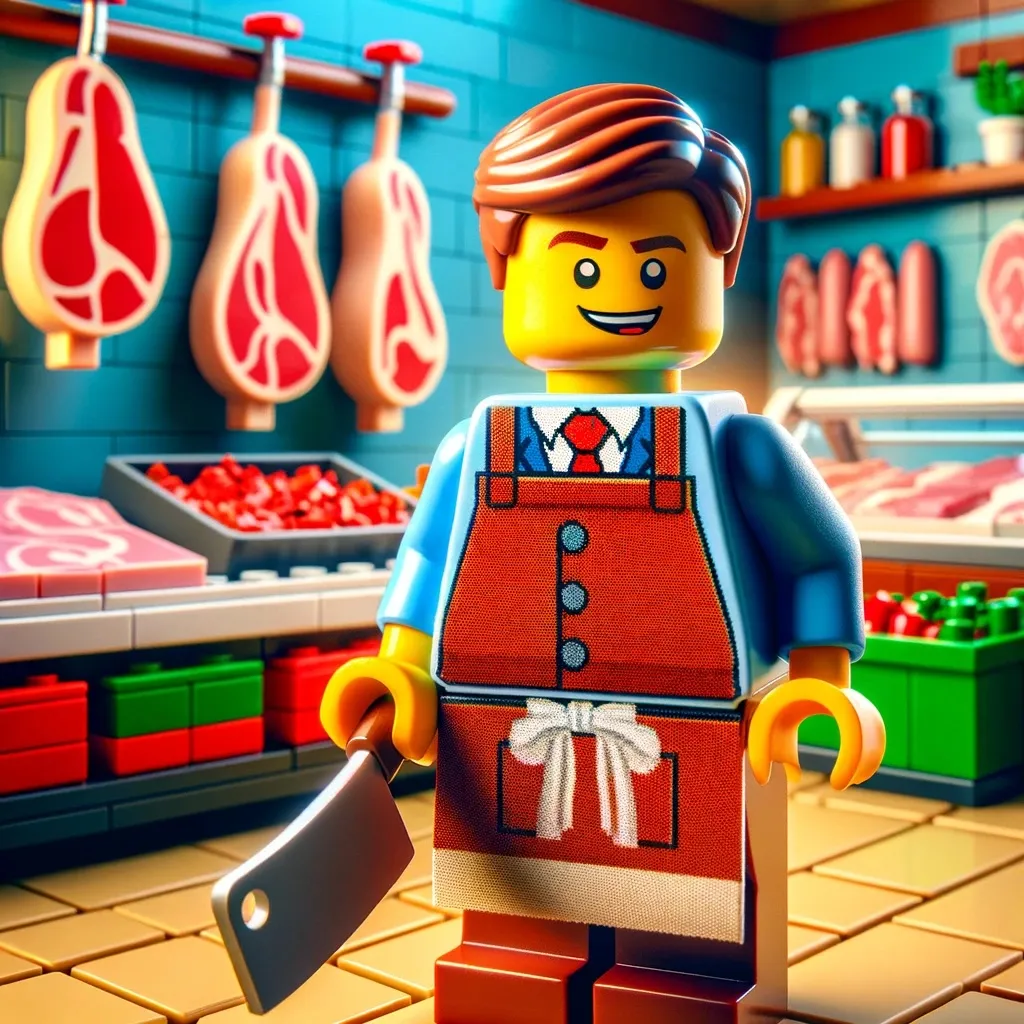
"An anchor of leadership" - The story of Patrick, the master butcher
Taken from real life. In the artisanal world of Buurtslagers, Patrick is known as a master butcher. With his skilled hands, he not only cuts the finest steaks, but he also cuts through the everyday challenges of leadership. But how does he hold his ground? What is the secret to his confident leadership? Patrick's answer lies in something as simple as wearing his apron - his personal anchor.
During a mentoring training course, the concept of 'anchoring' was introduced, a technique often used in neurolinguistic programming (NLP) to connect a certain state of mind to a physical object or gesture. For Patrick, his butcher's apron became more than a work tool; it is his totem of confidence and responsibility.
The duality of the apron
Patrick's apron is not just there for hygiene reasons; it is the cloak of his professional persona. As soon as he puts on his apron, he fully embraces his role as a leader. He gives work-related feedback and guides his team with a natural authority. It is a visible reminder of his responsibilities and the standards he strives for.
But Patrick's true leadership reveals itself in the moments when he takes off his apron. Without this barrier, he approaches his team in a more personal way, creating space for confidential conversations, giving personal feedback and building deeper relationships.
The importance of anchoring
What exactly is the importance of anchoring in leadership? Anchoring helps leaders to create reliable habits and reactions. It allows us to quickly access the state of being we need to be effective in our role. For Patrick, this means that when he wears his apron, he is not only dressed in cotton and linen, but also in an invisible armour of self-confidence and focus.
Tips for anchoring
1. Identify your anchor: This can be an object, such as an apron or a pen, or a physical action, such as a handshake or a deep breath.
2. Condition your anchor: Use the anchor consistently in the state of mind you want to evoke. Just like Pavlov's dogs, you will learn to evoke the state of self-confidence when you use your anchor.
3. Keep the anchor personal: Your anchor must have meaning for you. Patrick chose his apron, not because it was prescribed, but because it resonates with who he is and what he does.
4. Practise with and without an anchor: Practise evoking your self-confidence with and without the anchor to maintain flexibility in your leadership. Patrick can show leadership even when he is not wearing the apron. He can summon the apron, as it were, and mentally throw it over his shoulders.
Now I invite you to discover your own anchors. Where do you draw self-confidence from? Is it the click of a ballpoint pen, straightening your tie, or perhaps the silence just before a presentation? Experiment with these objects or moments and create a ritual that helps you stand in your power as a leader.
By Karl Mortier